
Master's Thesis at the College of Law
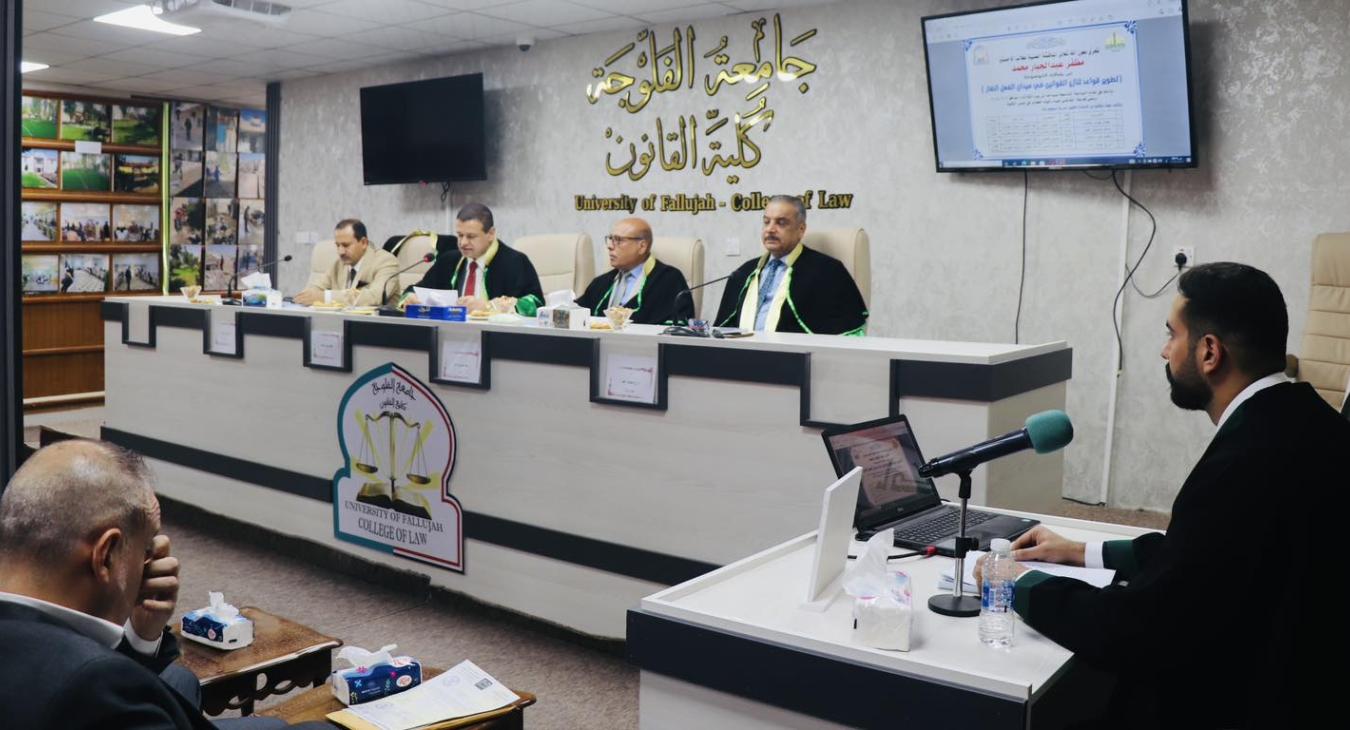
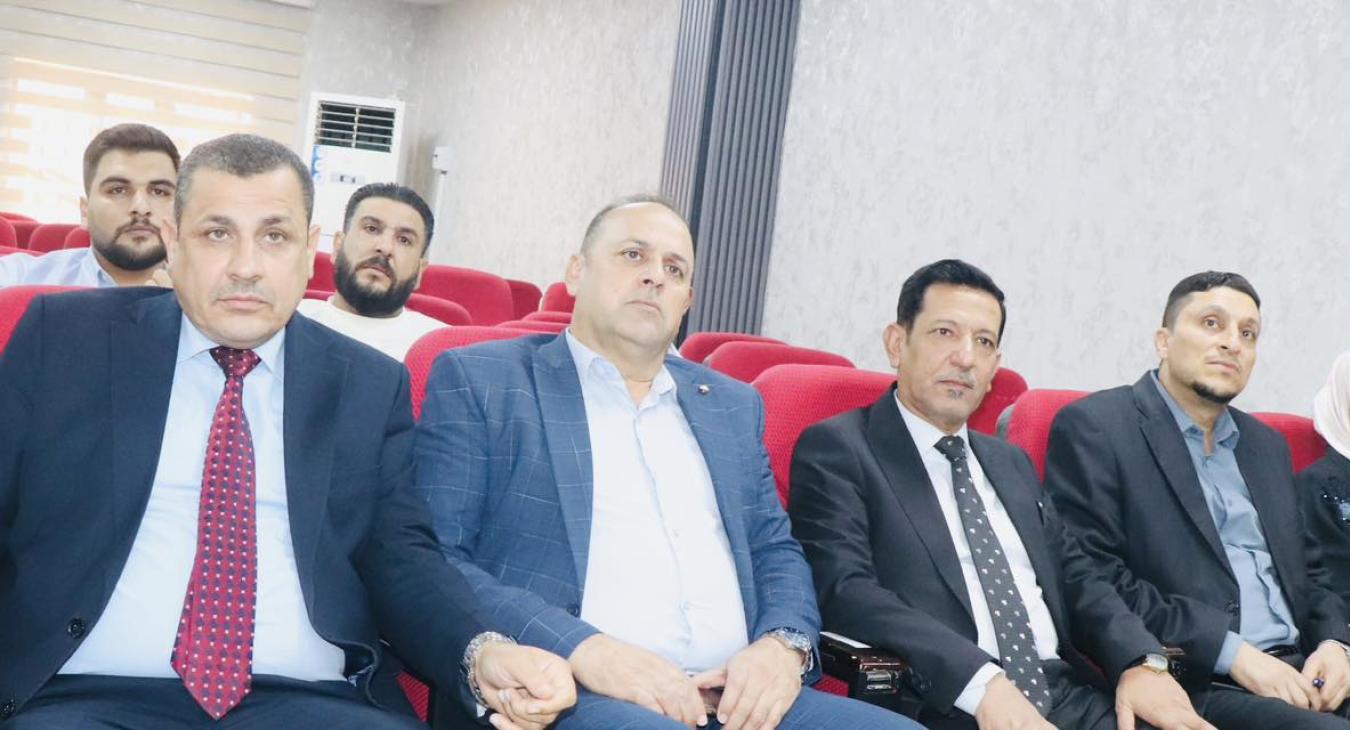
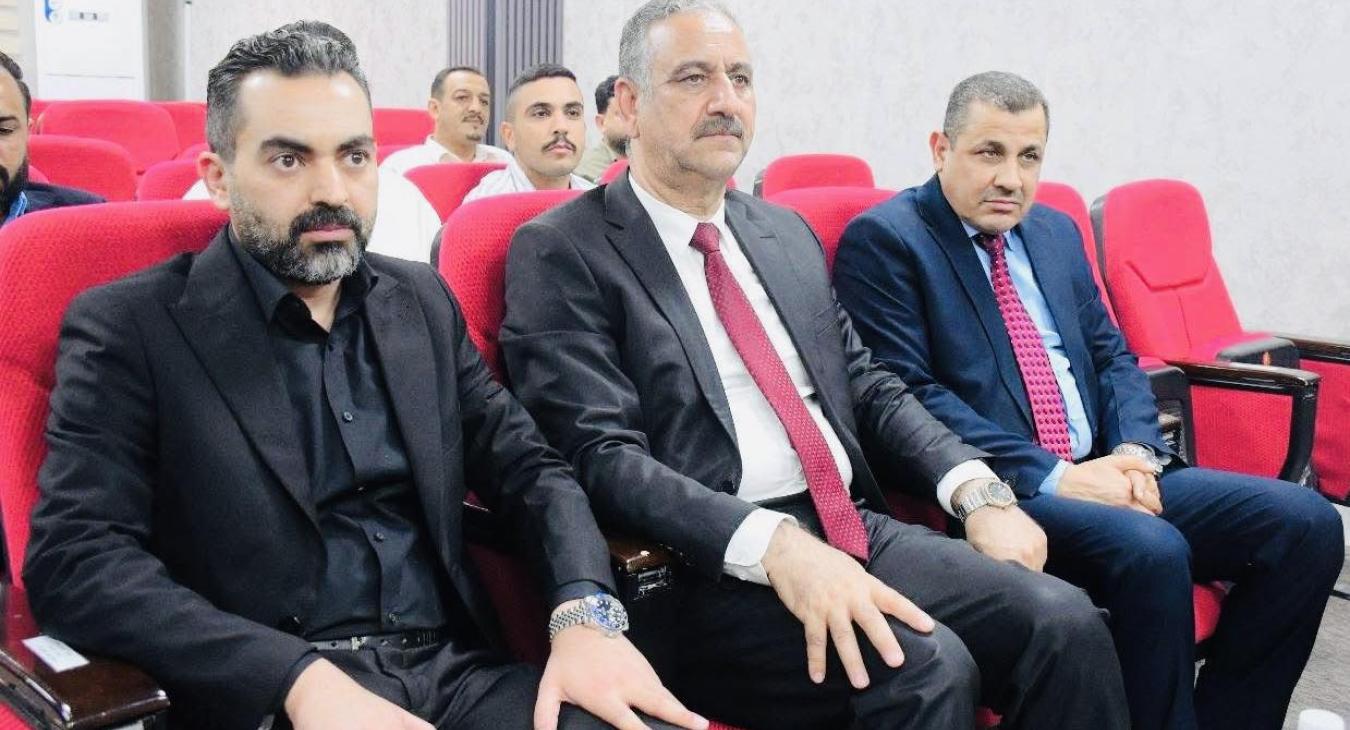
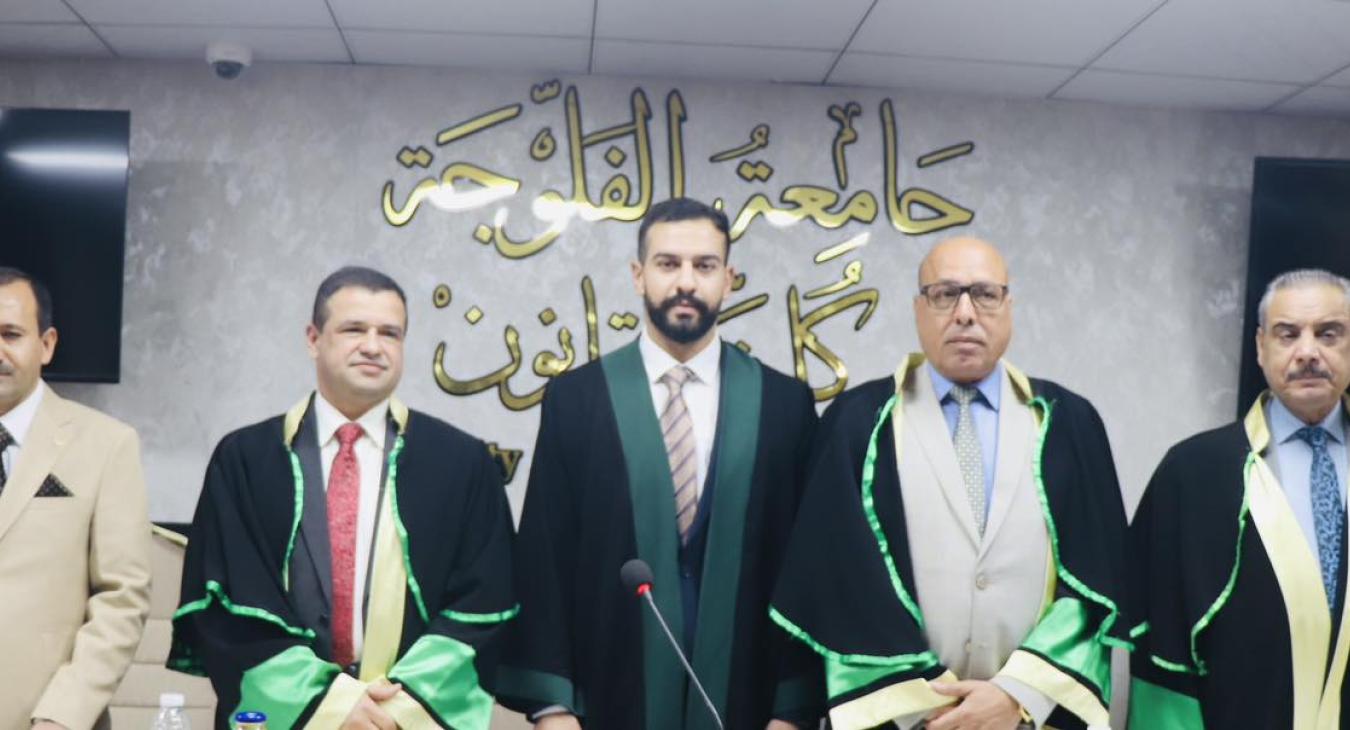
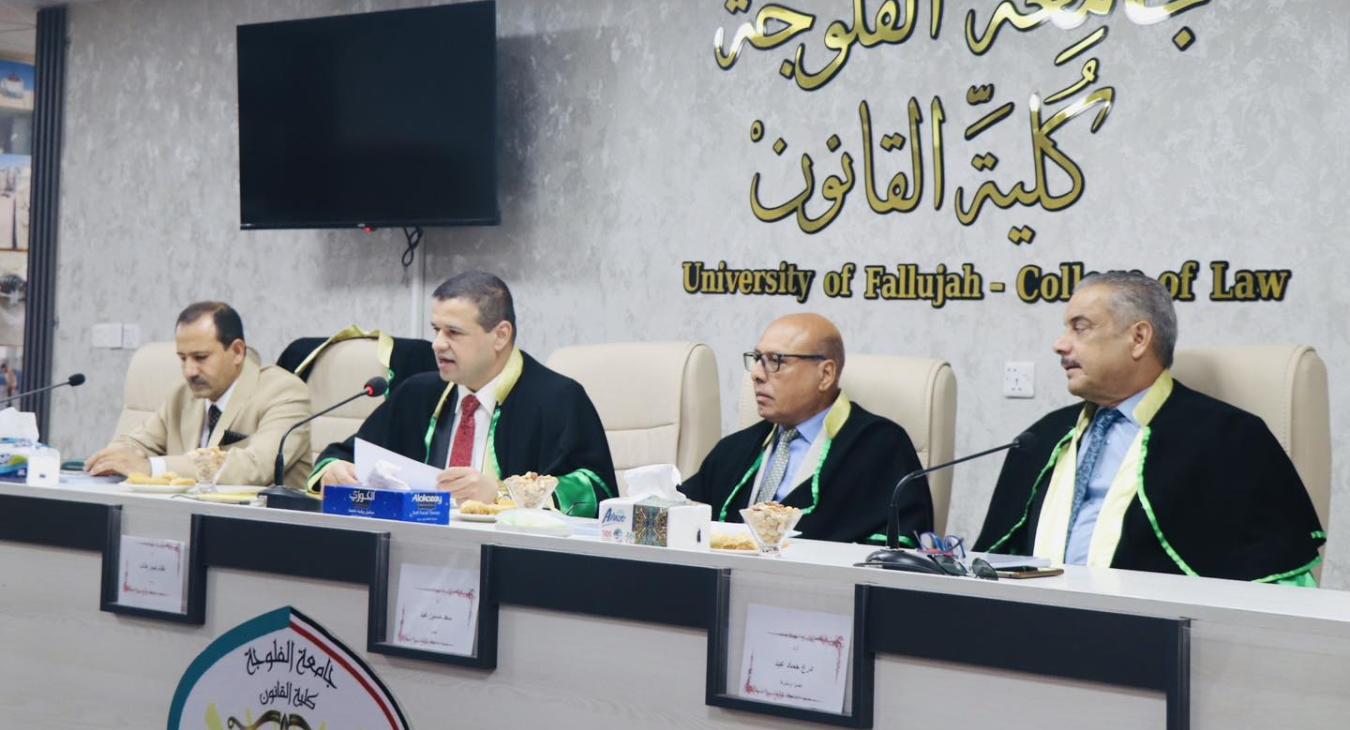
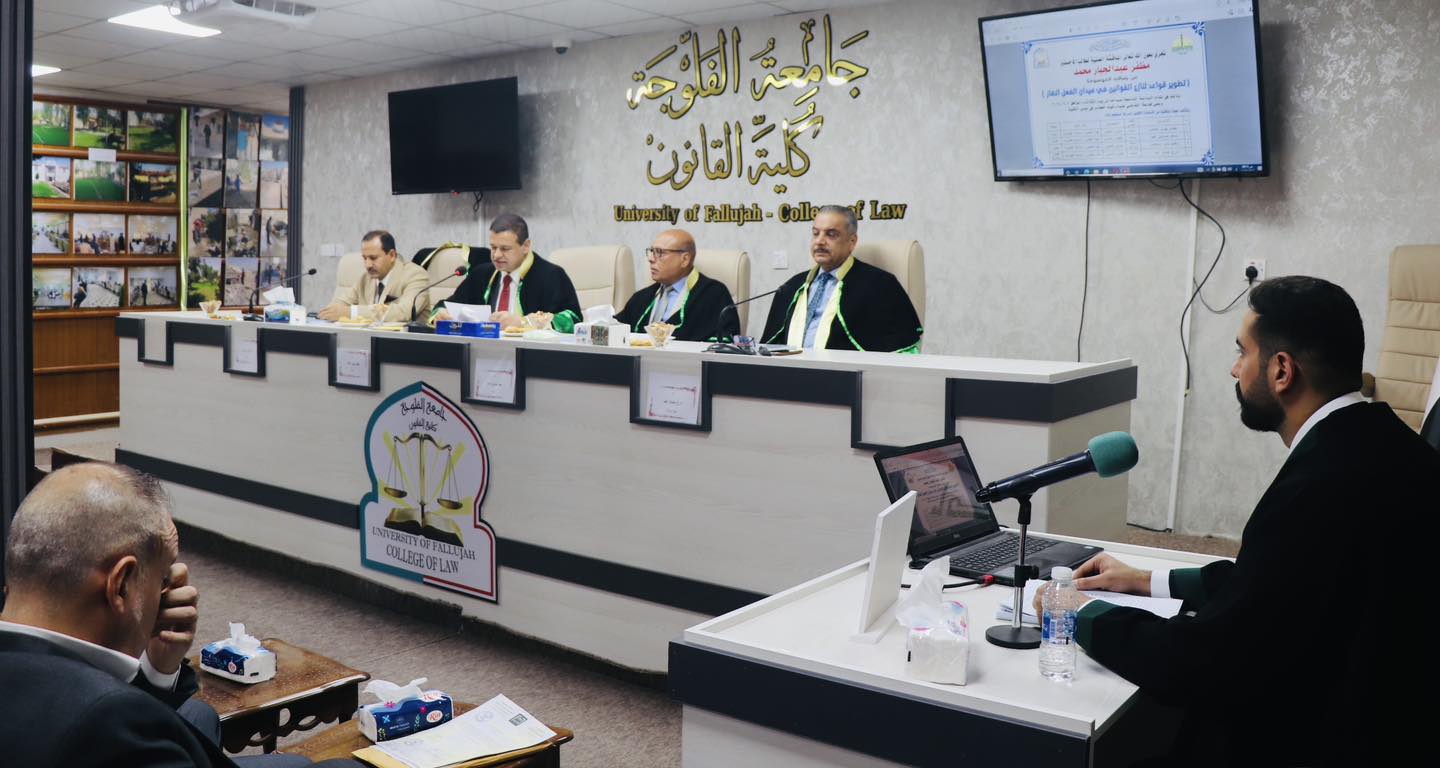
On Tuesday, September 2, 2025, the College of Law discussed a Master's thesis in law entitled "Conflict of Laws Rules in the Field of Tortious Acts" in the central hall of our college.
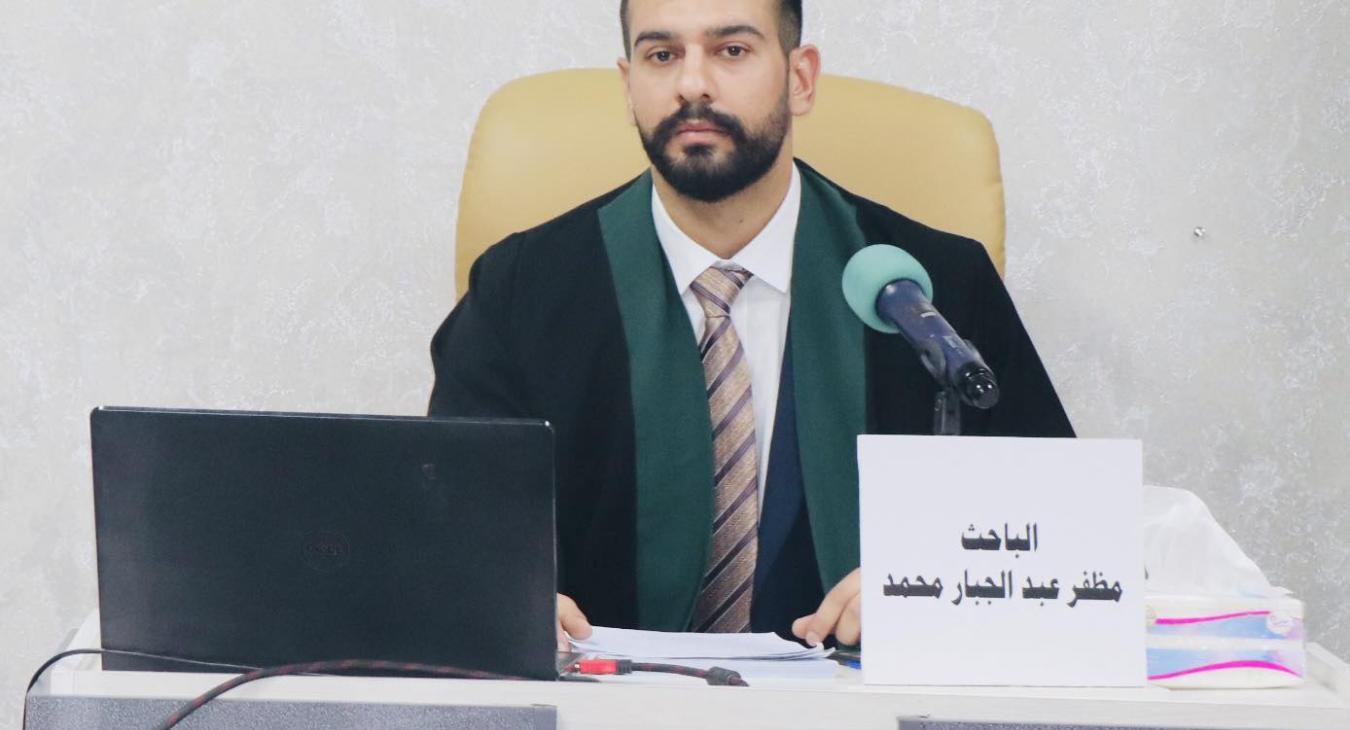
The thesis was presented by the Master's student, Mudhafar Abdul-Jabbar Mohammed.
Master's Thesis at the College of Law
On Tuesday, September 2, 2025, the College of Law discussed a Master's thesis in law entitled "Conflict of Laws Rules in the Field of Tortious Acts" in the central hall of our college.
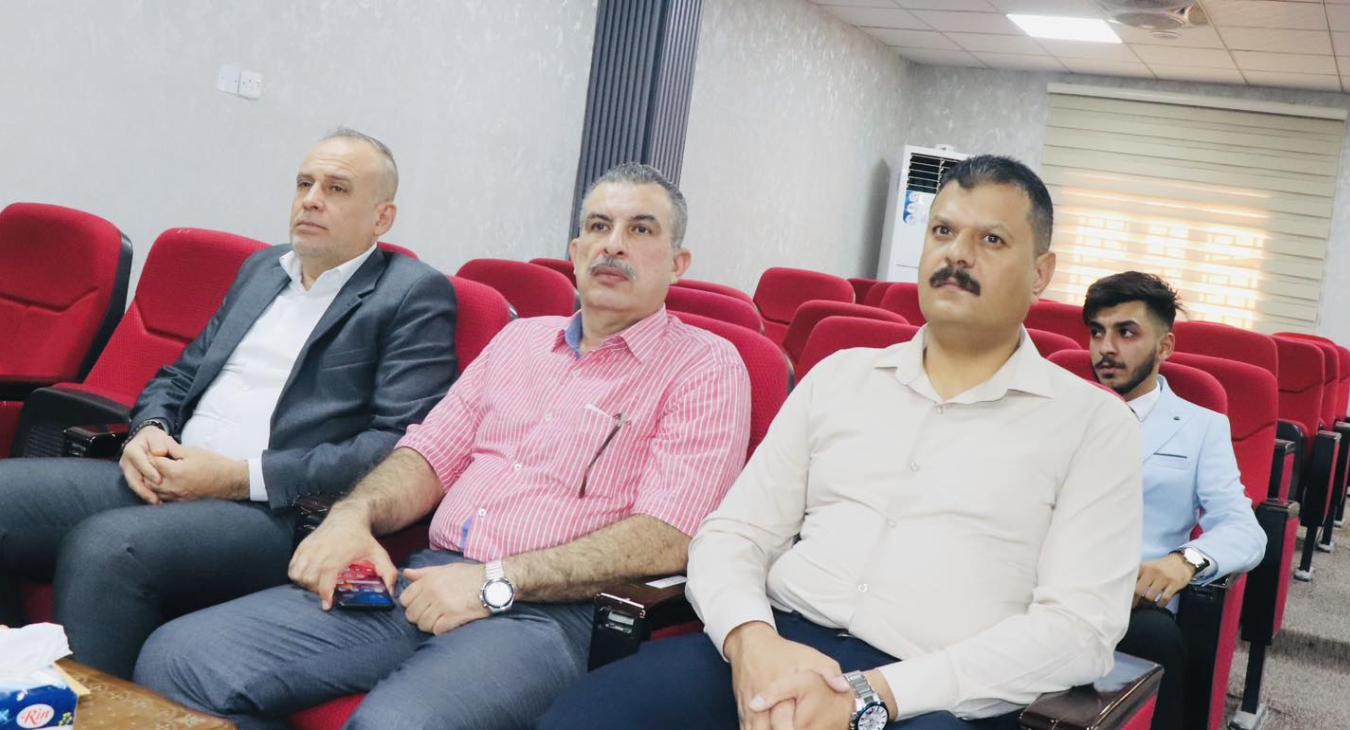
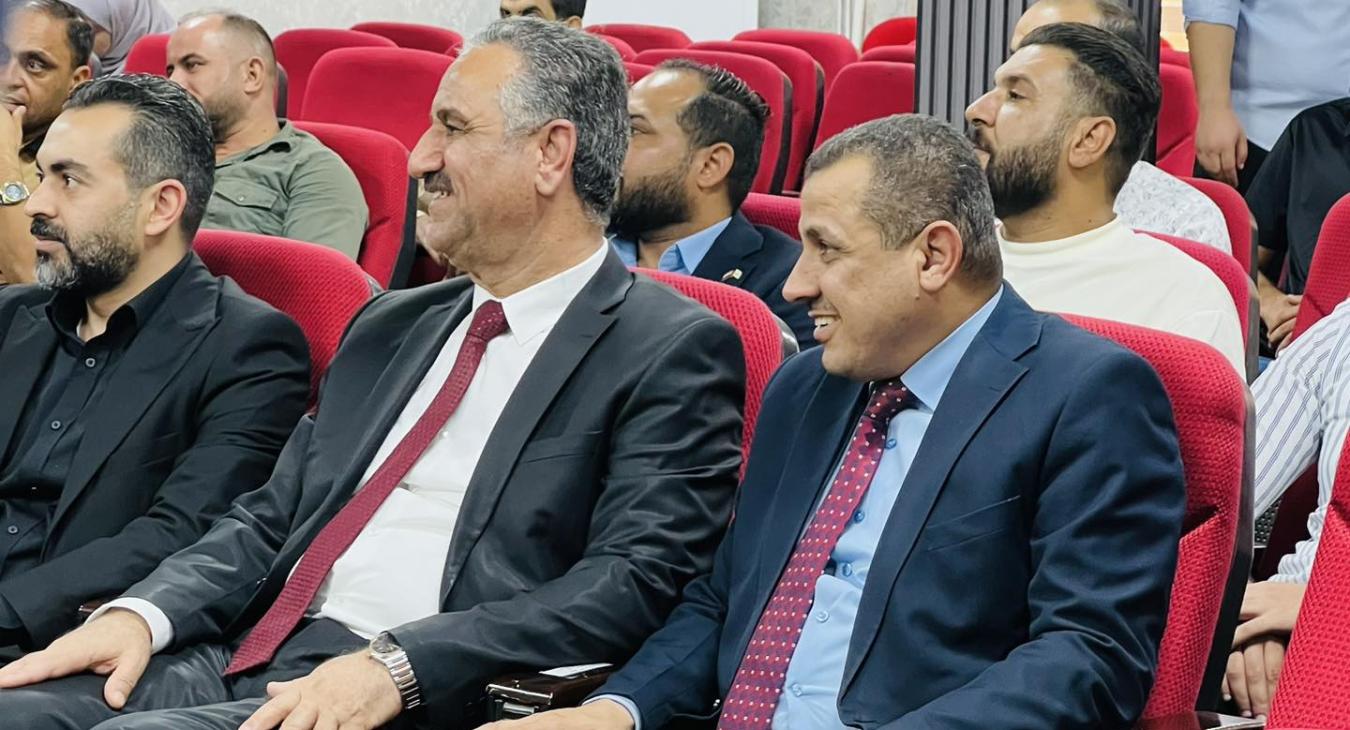
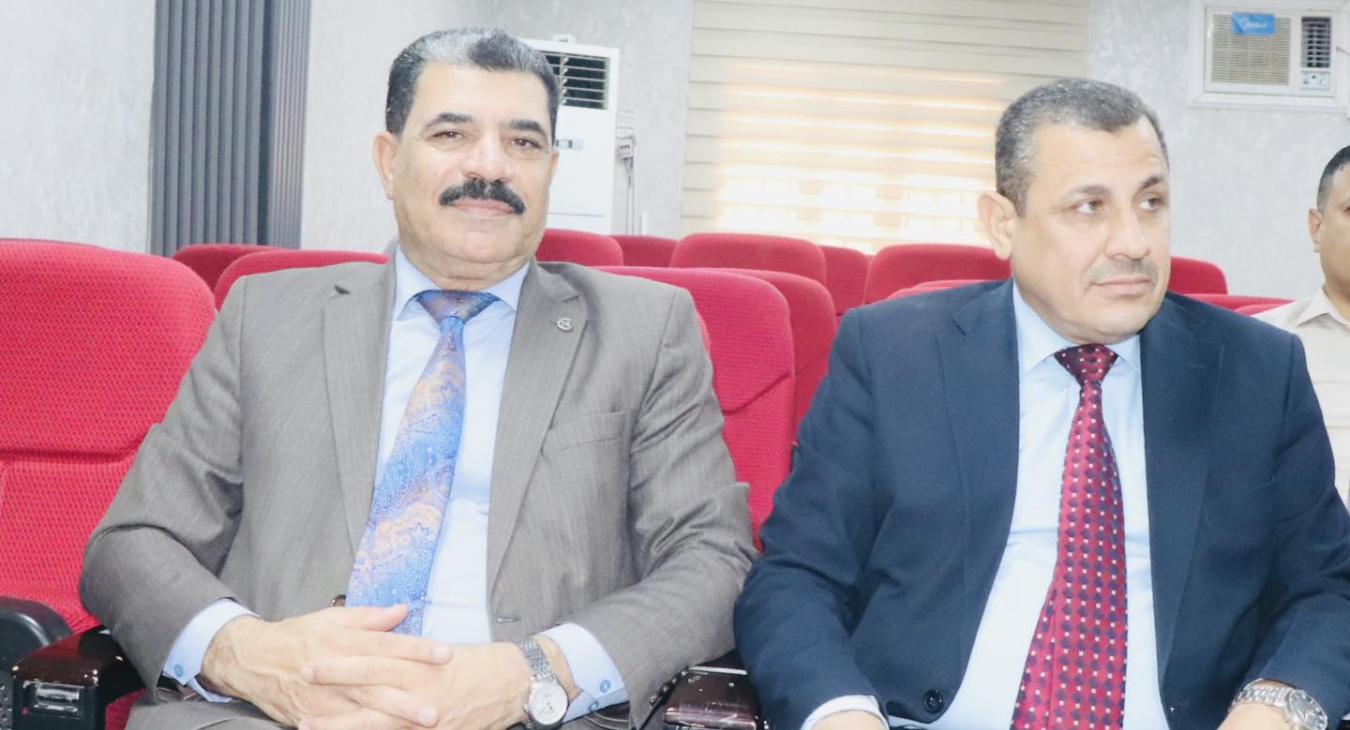
The defense was attended by:
- The respected University President, Dr. Ahmed Suleiman Hamad.
- Dr. Suleiman Brak Al-Jumaili.
- The Director of Al-Saqlawiya Sub-District, Mr. Omar Hikmat.
The thesis was presented by the Master's student, Mudhafar Abdul-Jabbar Mohammed.
This research addresses a pivotal subject within the realm of private international law, concerning conflict of laws in the field of tortious acts. This is particularly relevant given the growth of legal relationships with an international dimension and the increasing instances where the elements of a tort involve multiple legal systems. This study aimed to develop traditional conflict-of-law rules by analyzing and evaluating modern trends adopted in comparative legislation and international conventions.
The study began by outlining the fundamental concepts of tortious acts, then addressed the foundations of applicable law selection (choice-of-law rules) in this field, such as specialization in classification or specialization in connecting factors. It provided a detailed overview of the approaches in national legislations such as Swiss, Belgian, Italian, and Tunisian law, in addition to the Rome II Regulation and relevant international conventions like the 1971 and 1973 Hague Conventions. The research focused on modern types of conflict rules, such as the use of specialized single connecting factors and multiple connecting factors, both consecutive and sequential.
The third chapter was dedicated to analyzing the determinants of the applicable law in tort liability. This was achieved by explaining the scope of the applicable law concerning the conditions for liability and its effects and then examining the neutralization of the applicable law through exceptions that may apply to it. This included constraints imposed by public policy and mandatory rules of the forum, as well as differences in the legal assessment of tortious acts in comparative laws.
The study concluded that traditional conflict rules are no longer sufficient to ensure just legal solutions in light of modern economic and technical developments. This necessitates adopting a flexible approach based on specialization and flexibility in applying connecting factors, recognizing the role of the parties involved in choosing the applicable law, while ensuring guarantees that balance different interests.
The study put forward a number of recommendations, most notably: the necessity of updating national legislation, including Iraqi law, to align with modern standards for conflict of laws in the field of torts, and to emulate successful comparative experiences, such as the Swiss model and the Rome II Regulation, especially concerning liability arising from defective products, environmental damage, and unfair competition.
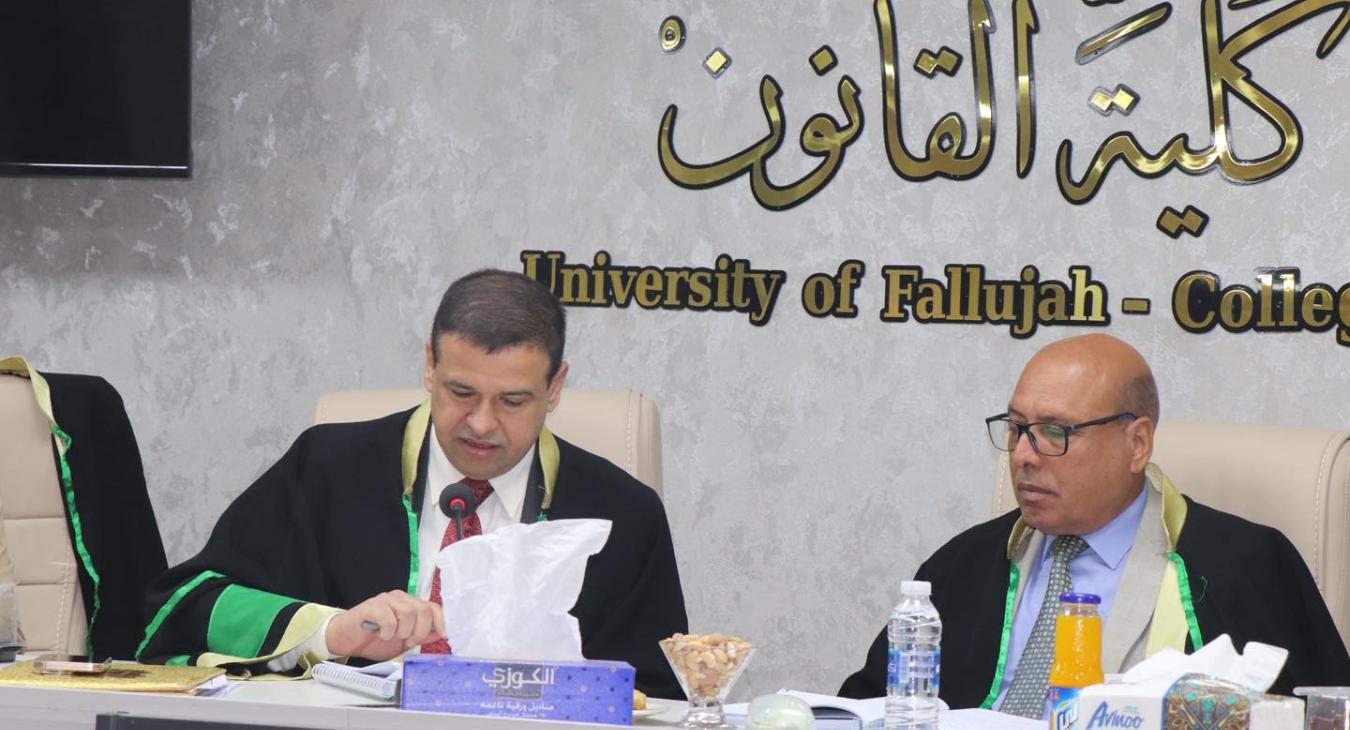
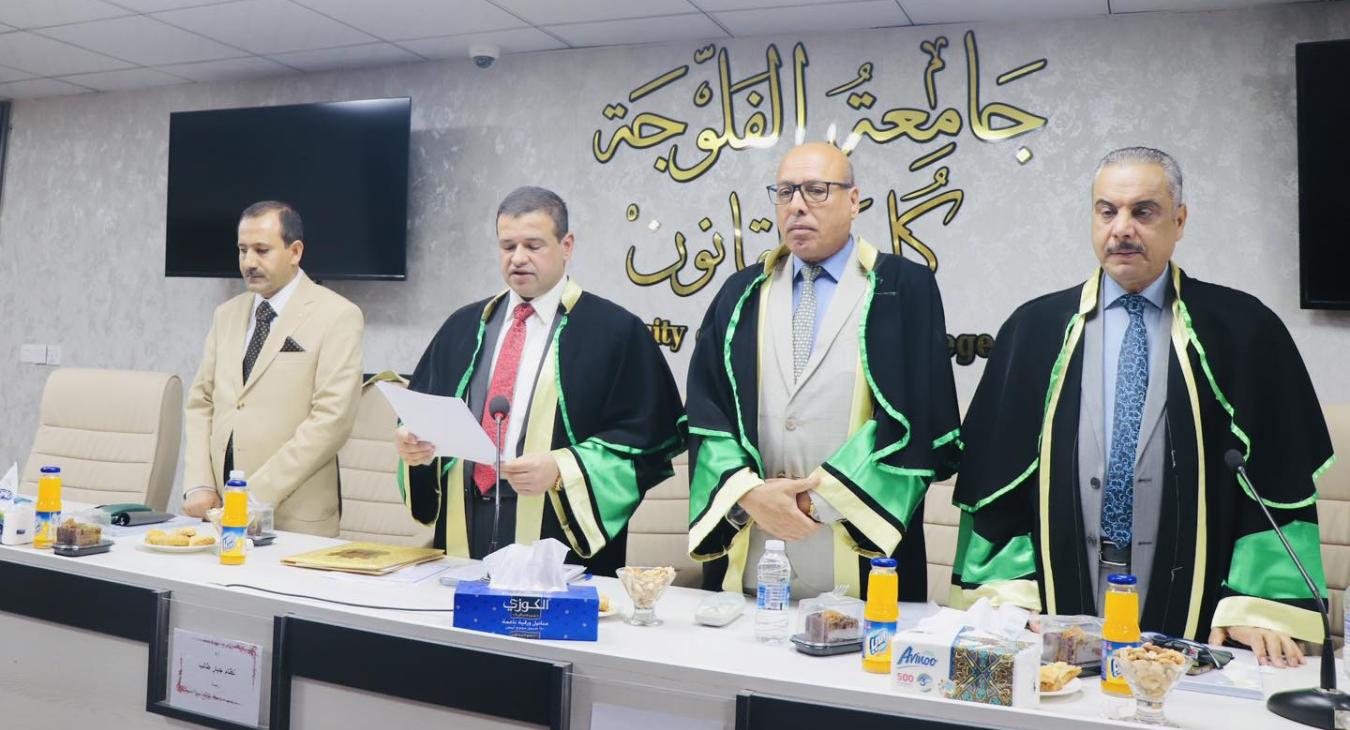
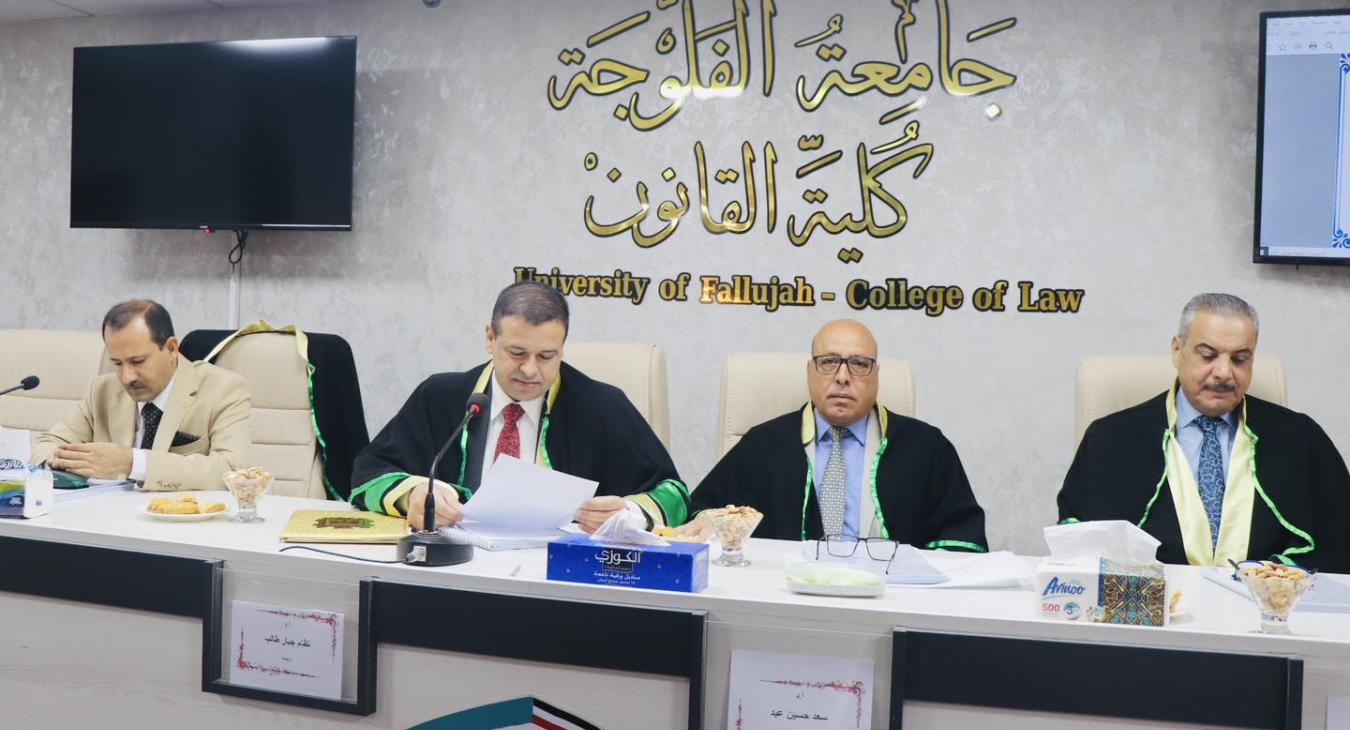
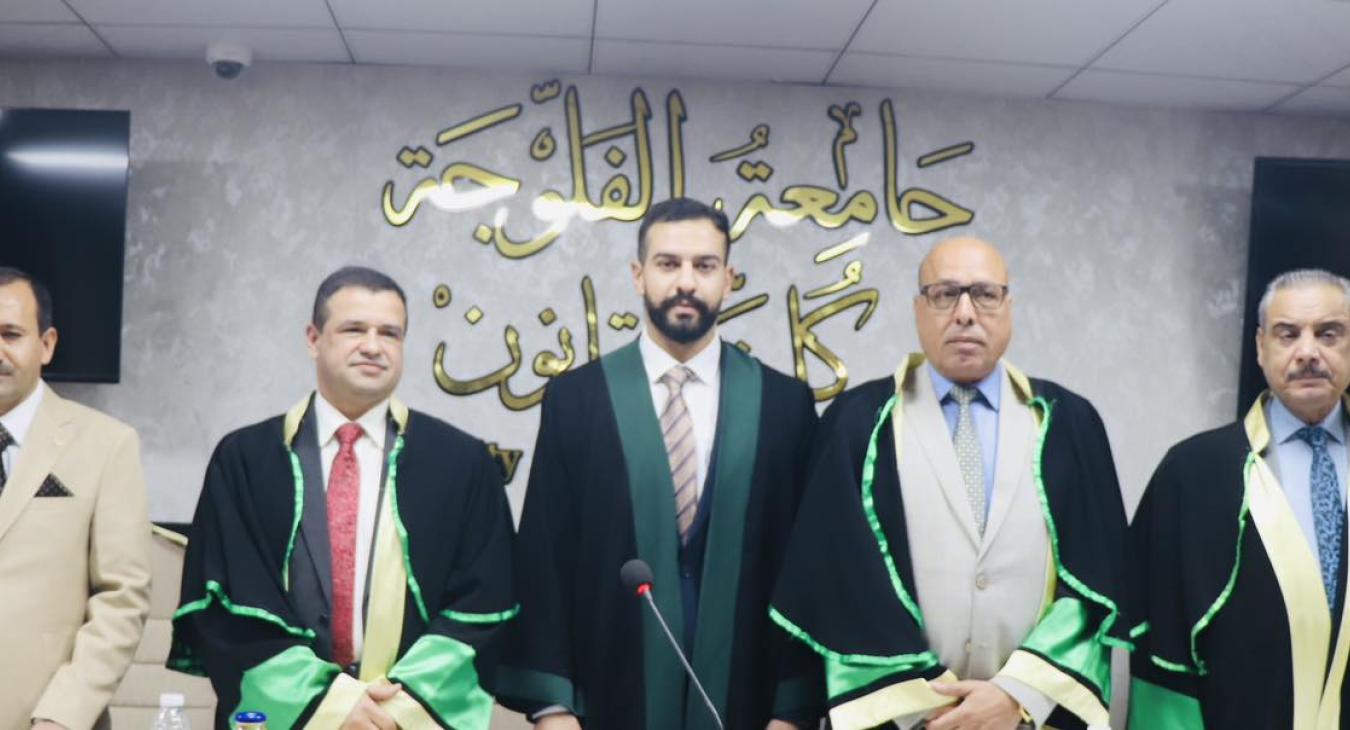
The discussion committee consisted of:
- Prof. Dr. Nidham Jabbar Talib (Chairman)
- Prof. Dr. Saad Hussein Abdul (Member)
- Assoc. Prof. Dr. Nafeh Bahar Sultan (Member)
- Prof. Dr. Diraa Hammadi Abdul (Member and Supervisor)
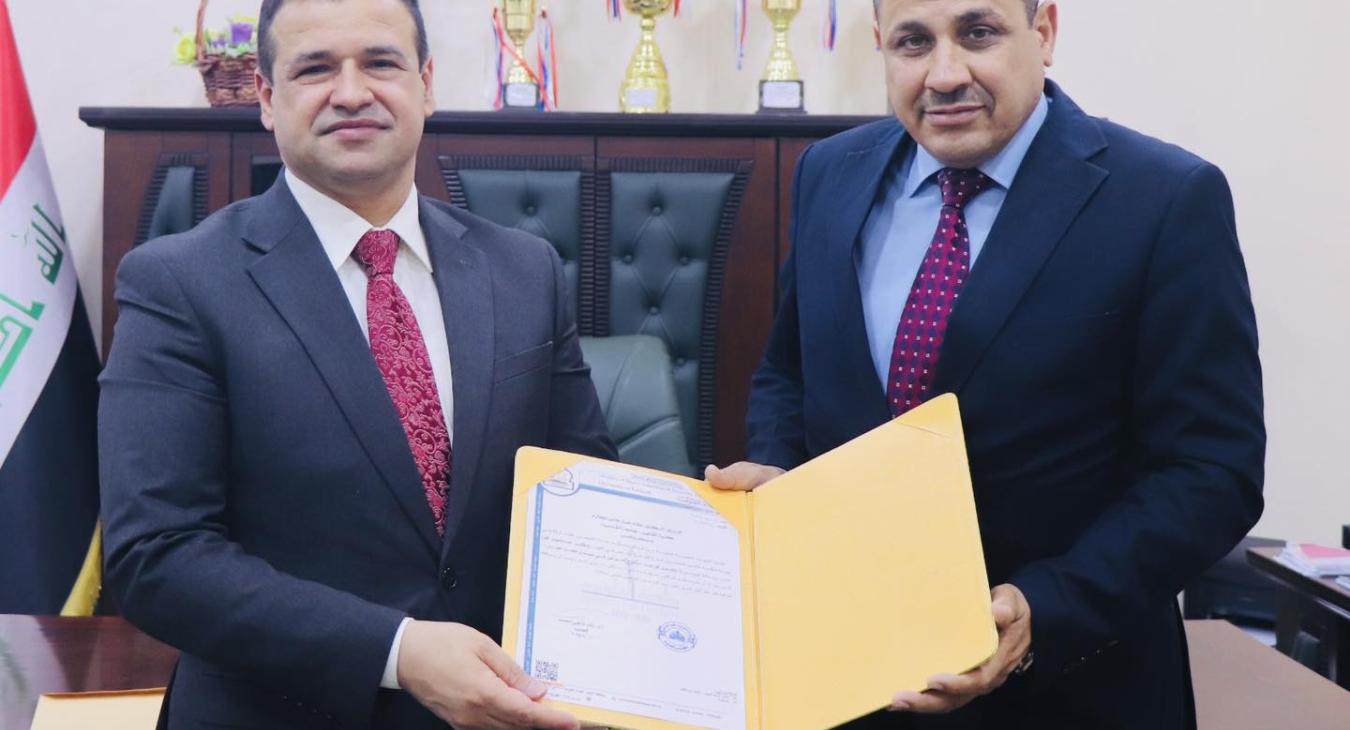
After thorough deliberation of the thesis and hearing the student's defense of his work, the committee decided to accept the thesis with a "Very Good" rating and award the student the Master's degree.
Congratulations!
#Government_Media_and_Communication_Division